Insane AI.
Rebuilt a motion-led fitness product foundation around brand, feedback, and repeat engagement.
- Duration
- Jun-Sep, 2023
- Client
- Insane AI
- Category
- Interaction
- Year
- 2023
Overview
A scalable system for motion-led fitness
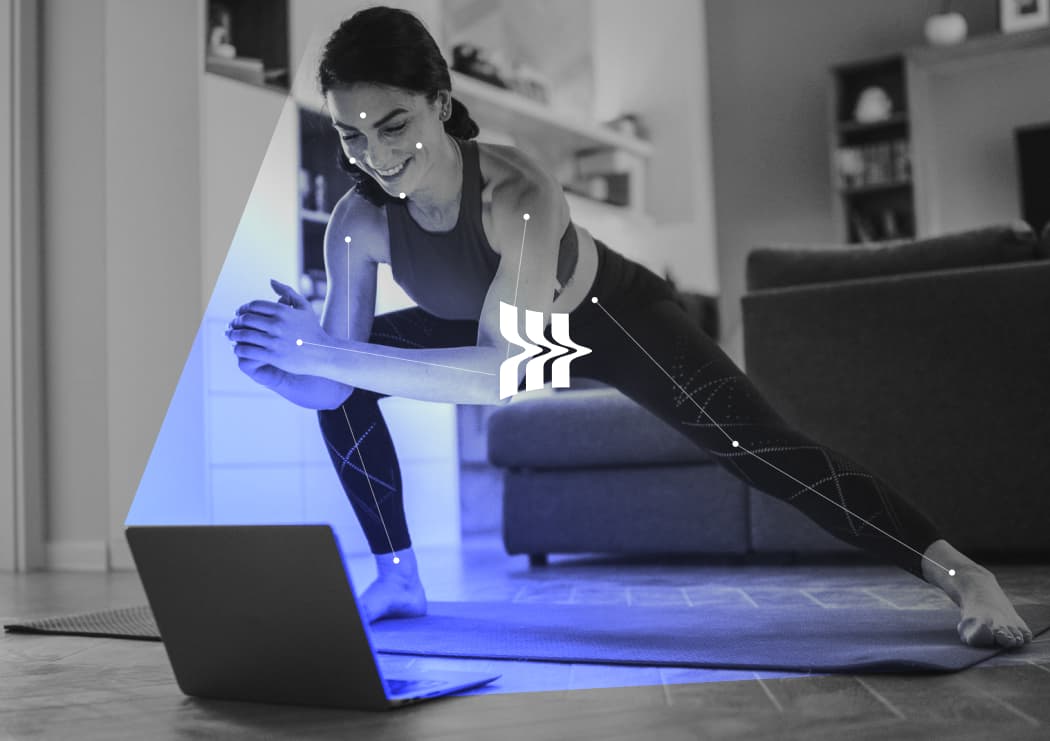
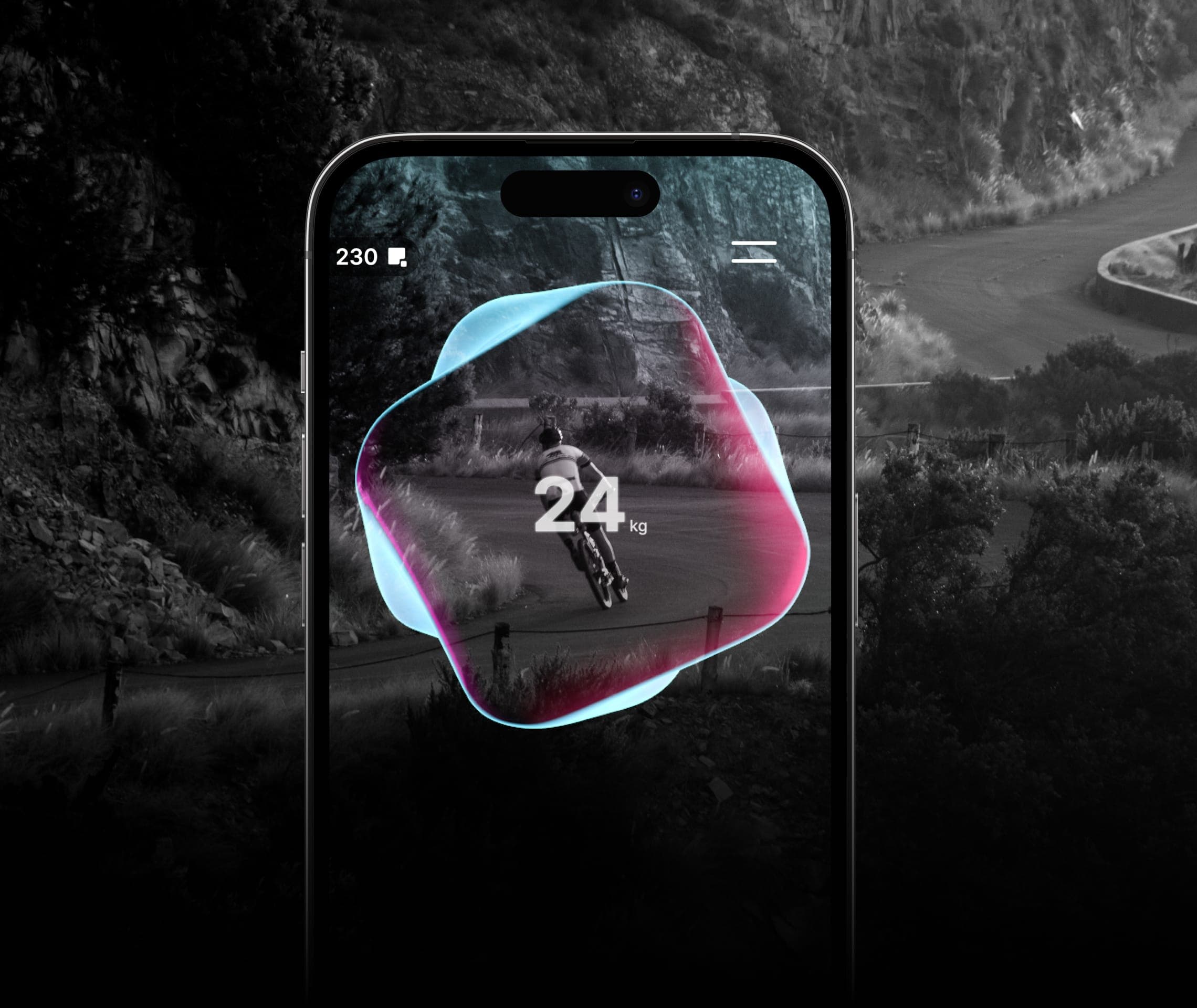
Insane AI combined gamified fitness, front-camera motion tracking, AR feedback, and social competition. The design challenge was to make that complexity feel coherent: a brand system energetic enough for social fitness, a UI light enough for workouts, and interaction patterns that could guide movement without distracting from it.
Context
Fitness feedback had to work while users were moving
Insane AI blends social fitness with gamified AR, motion tracking, and real-time feedback. The app uses the front camera to track movement, measure performance, and respond while a user is exercising.
That creates a demanding interface problem. The product has to motivate, correct, reward, and invite repeat sessions without competing with the workout itself. The work focused on rebuilding the product foundation so brand, interaction, progression, and social mechanics could operate as one system.
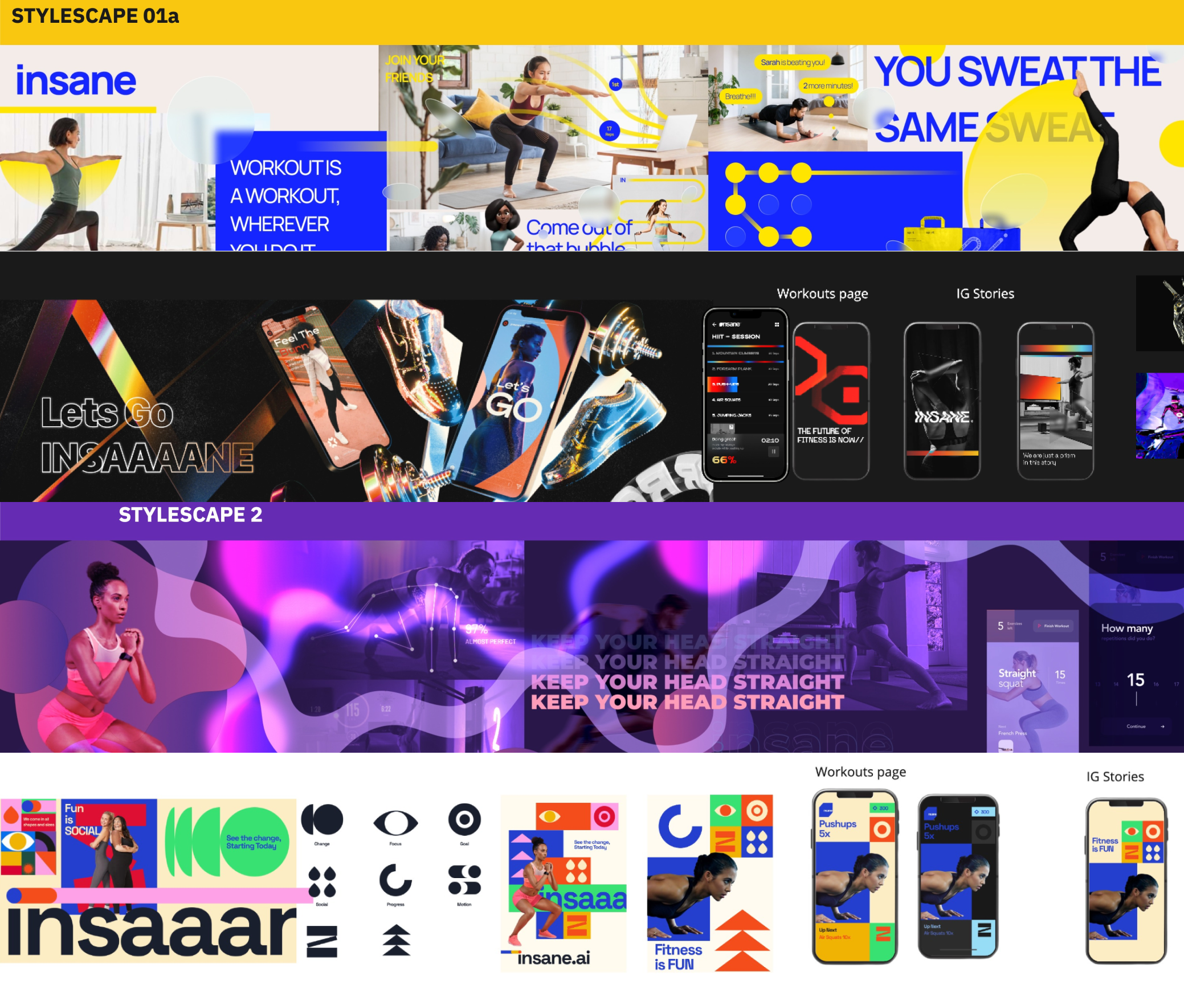
Translating energy into usable product language
Organizing complexity around user and business goals
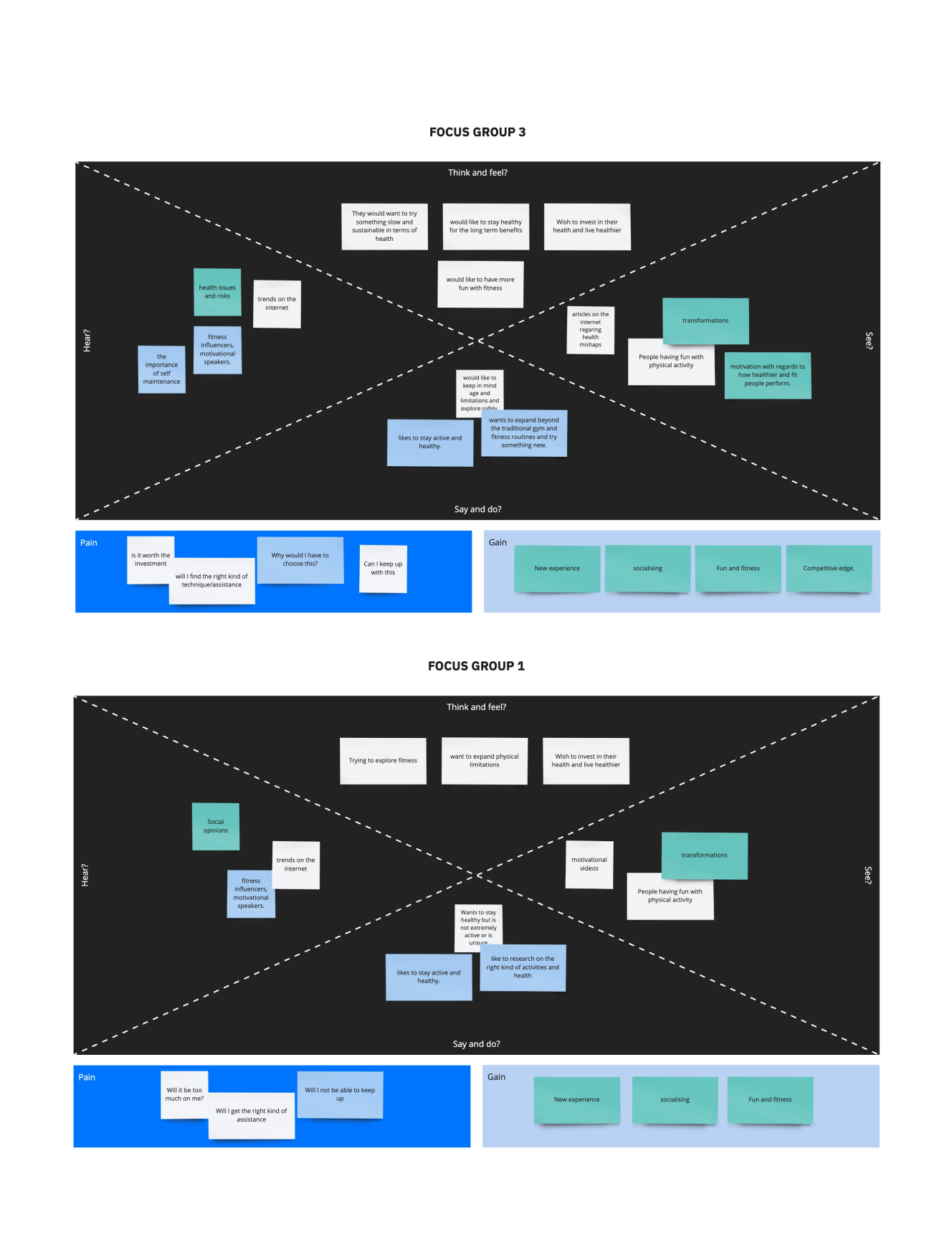
Aligning emotion before screens became expensive
Making usability decisions visible
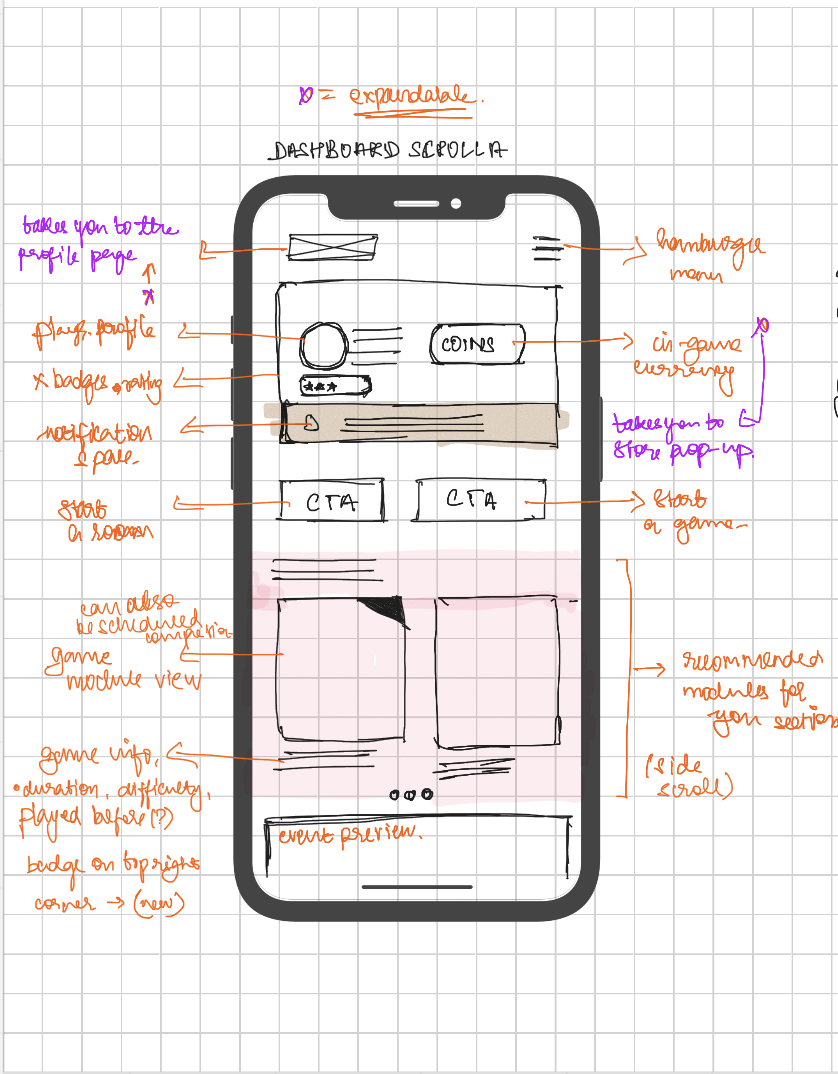
Experiment, prototype, test, record, implement
A product kit built for scale
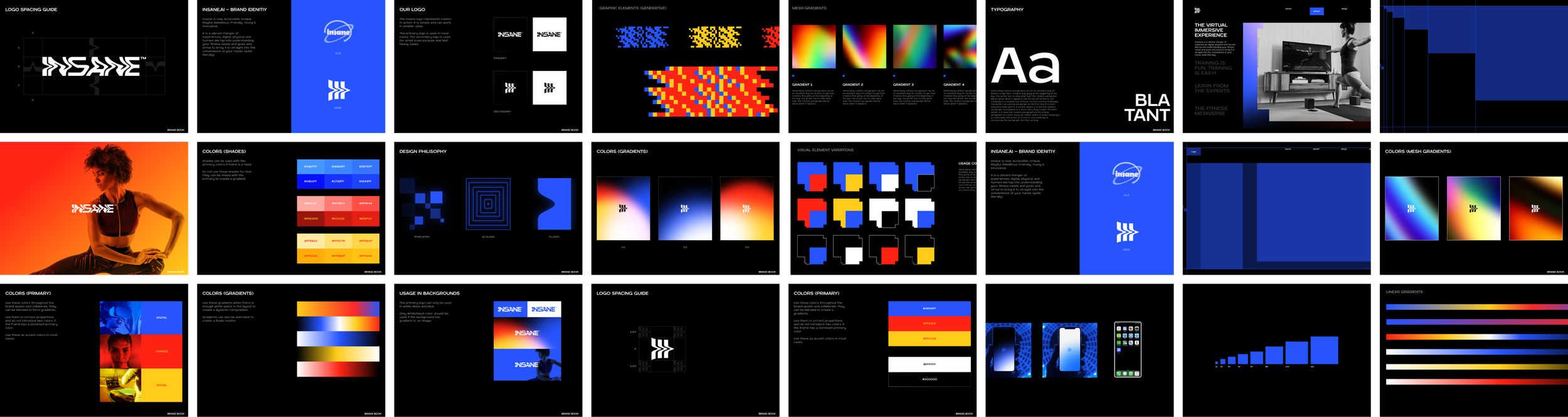
Guidelines that could become product assets
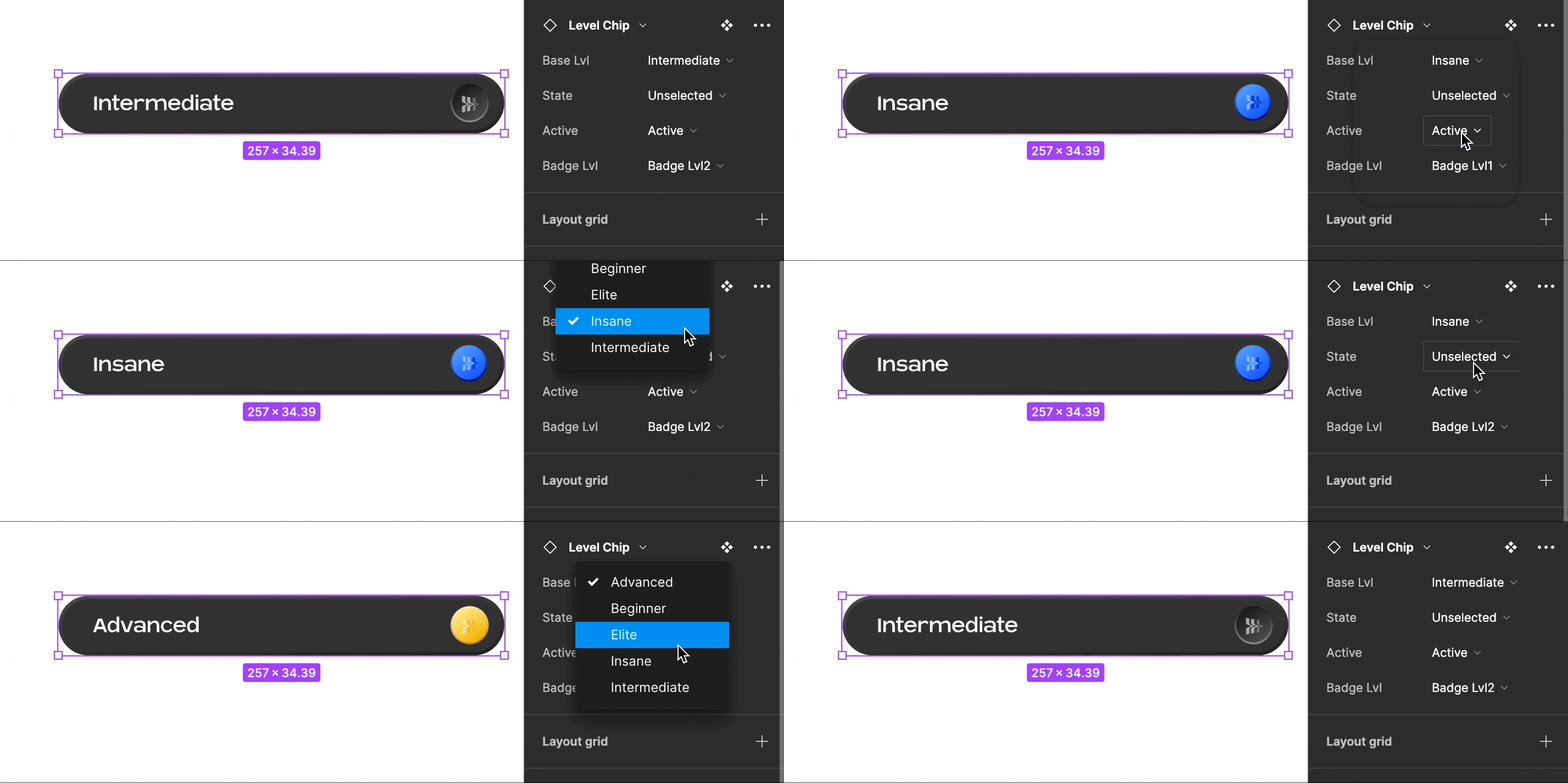
Principles for movement-first UI
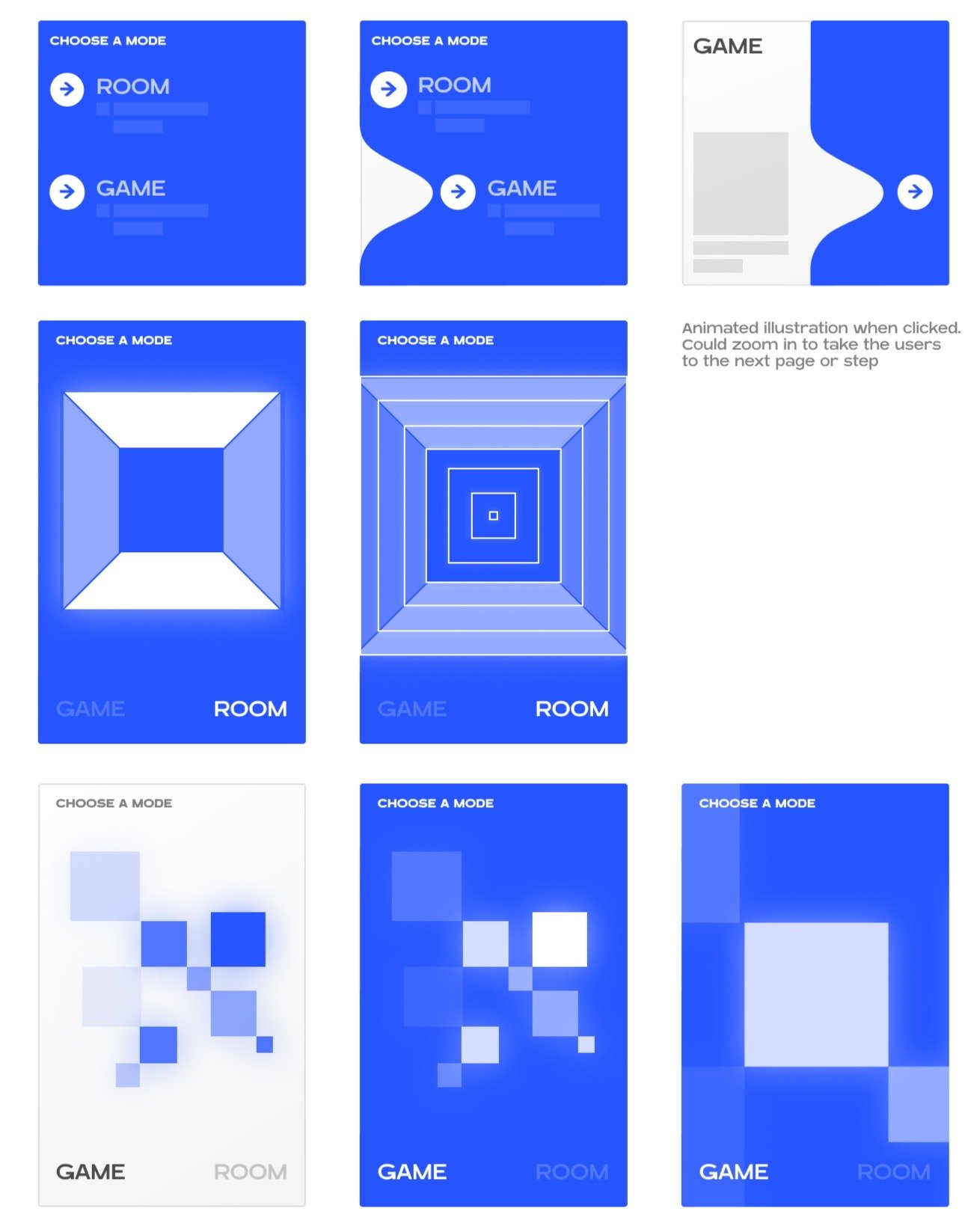
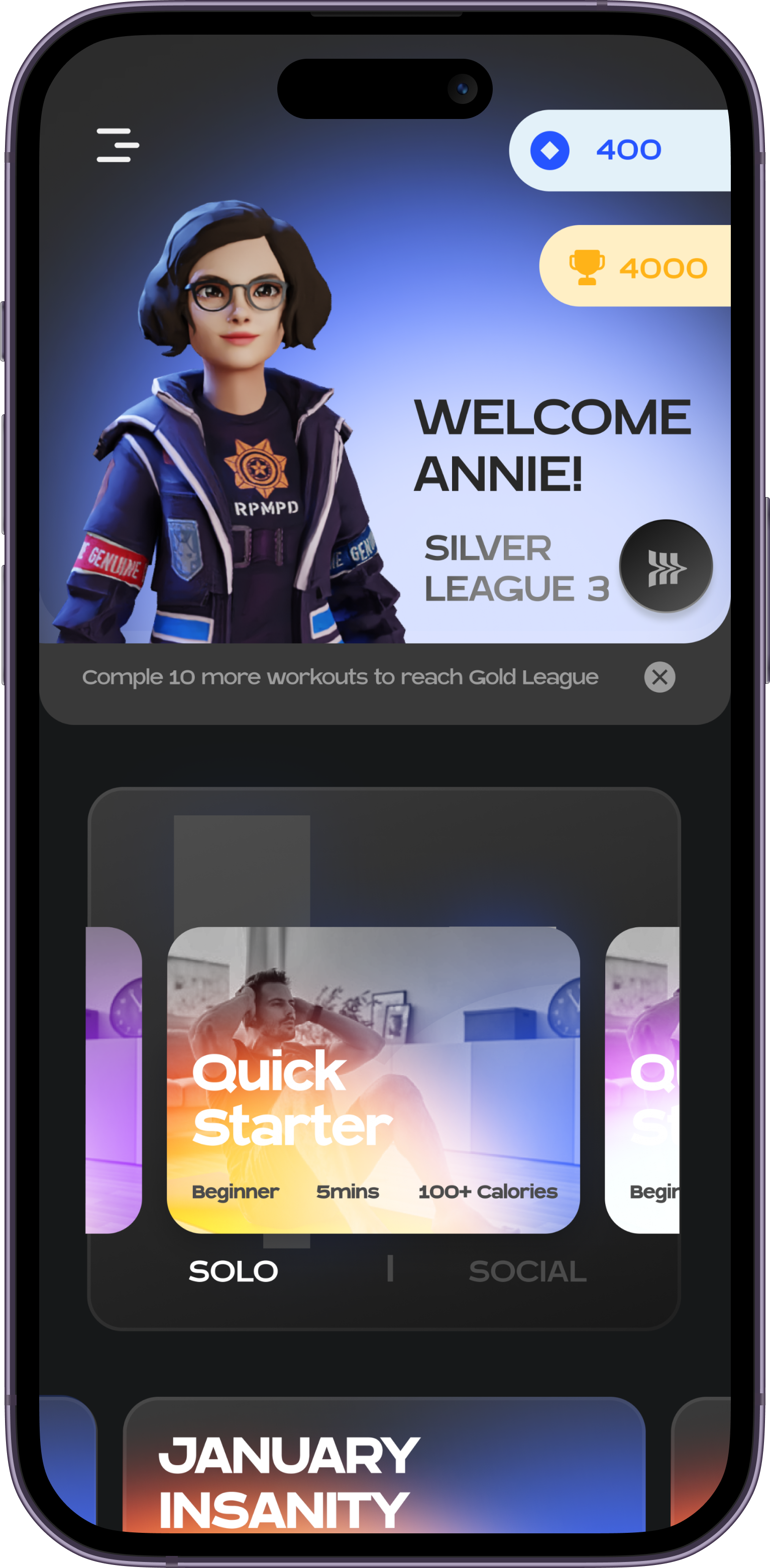
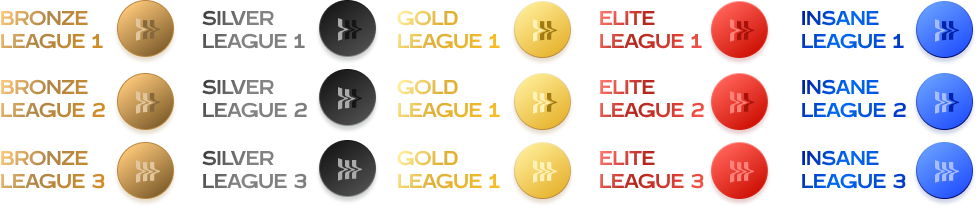
Progress mechanics that carry the brand
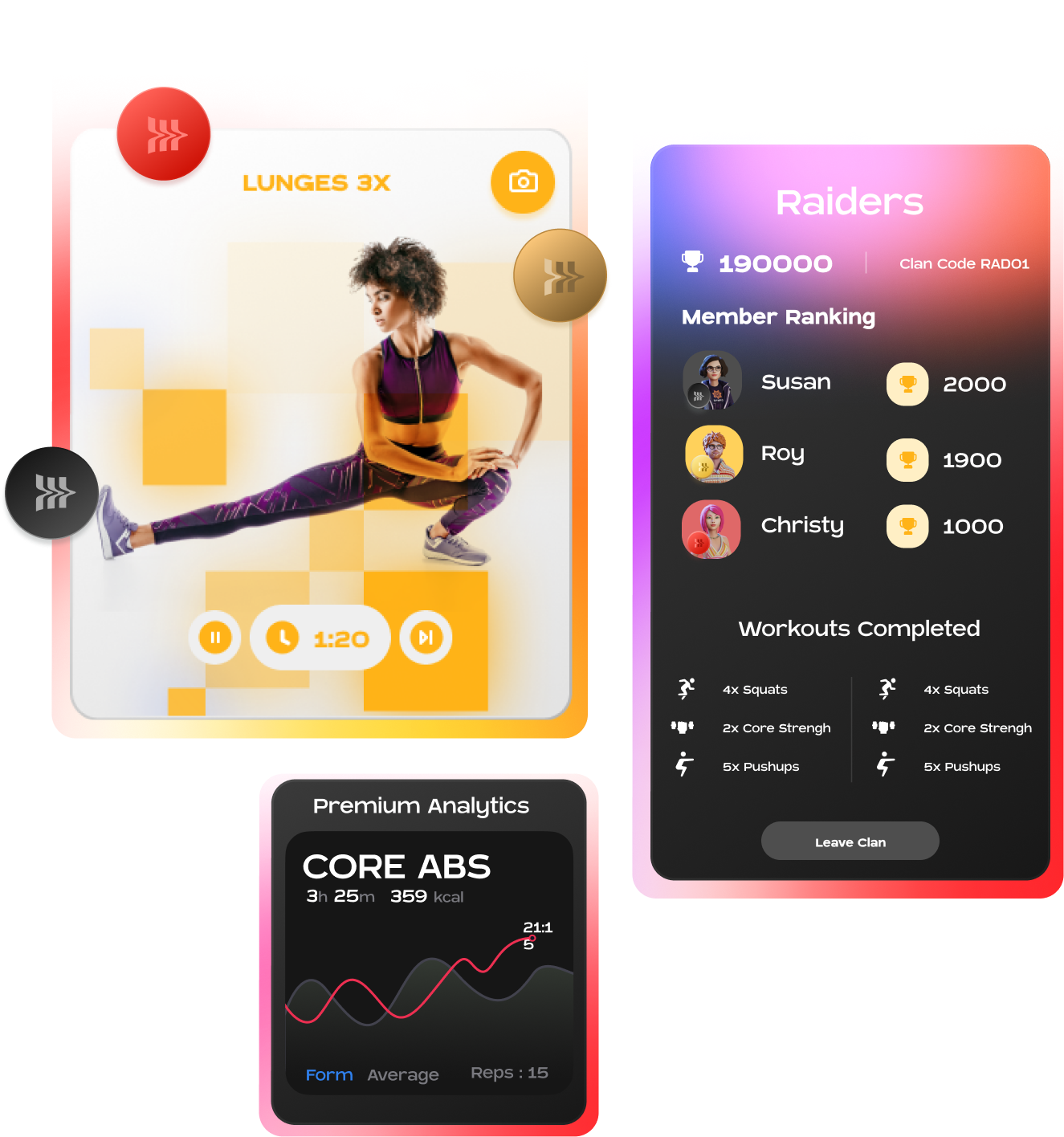
Social spaces
Combining the workout world and community space
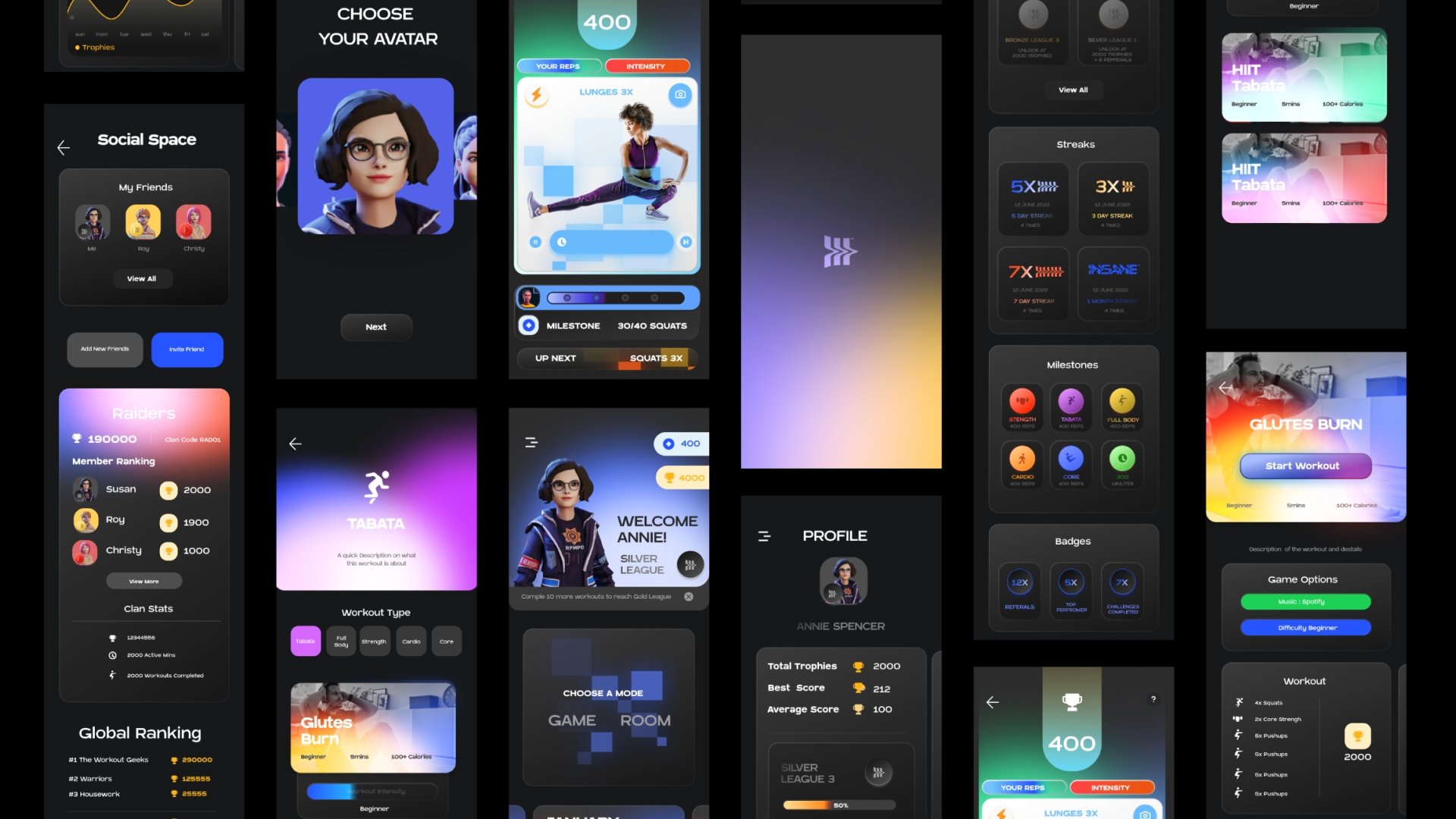
The experience needed to support both individual routines and social competition. We designed social spaces around motivation rather than feed consumption: users should be able to compare, participate, and return to goals without being pulled away from the workout context.
Balancing technology, game mechanics, and social behavior was one of the central product constraints. The system had to feel energetic, but the workout still needed to remain the user's main focus.
Designing from real workout scenarios
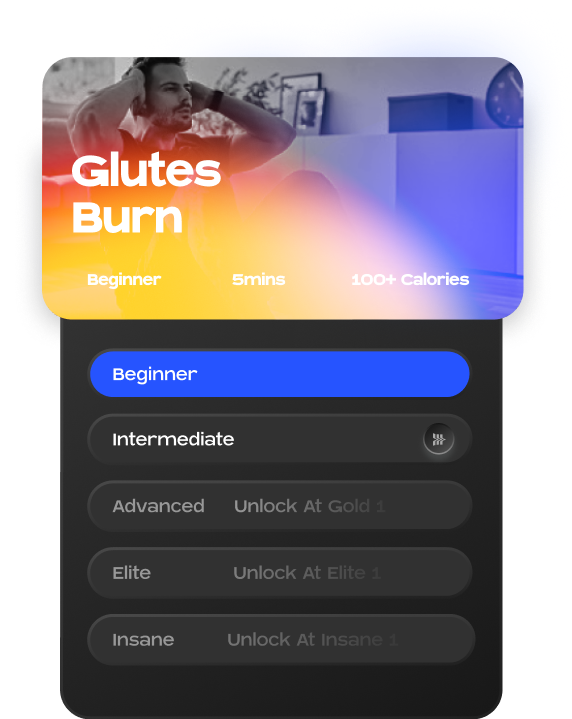
Unlocking difficulty without overwhelming new users
A clearer foundation for the product
Reflection
What held the product together
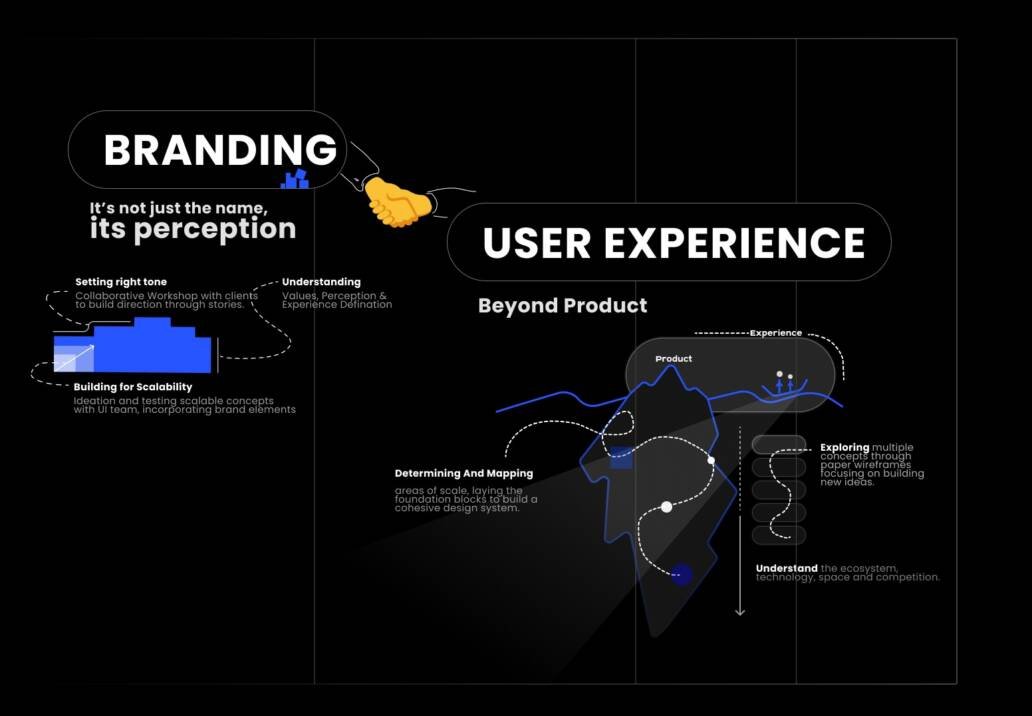
The project became stronger once brand and interaction were treated as the same system. The visual language created energy, while the interaction model kept attention on movement, feedback, and repeat engagement.
For portfolio representation, this case should show process and systems together. The images work best as a chain of decisions: brand role, feature groups, style direction, stakeholder alignment, prototype loop, guidelines, interaction framework, progression, and impact.
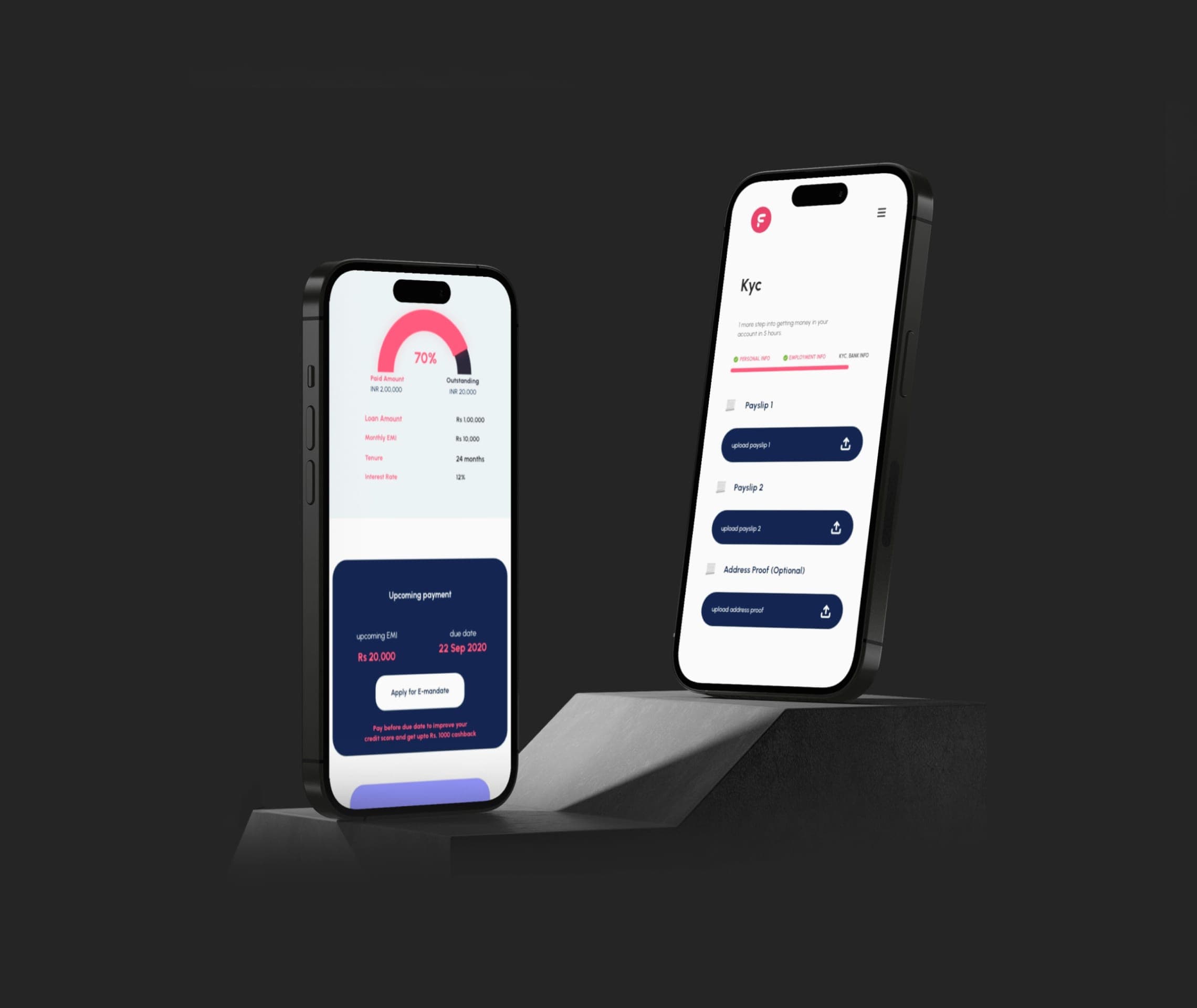
Finnable.
Reframed a loan application journey around trust, clarity, and fewer moments of hesitation.
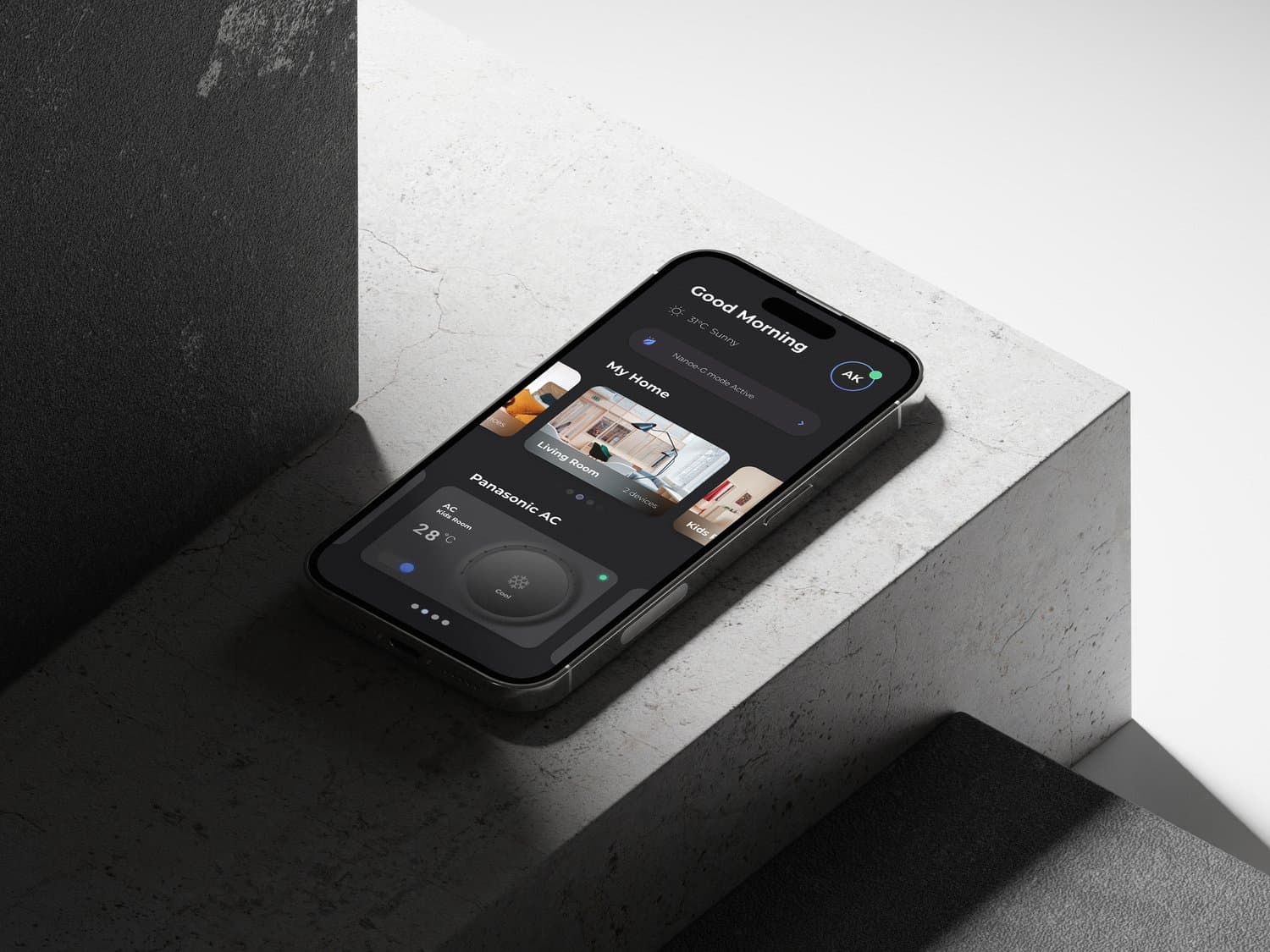
Panasonic Miraie.
Designed a smart-home experience that made advanced controls approachable for Indian households.
Quambio.
Turned carbon-saving commutes into a visual reward system people could understand and repeat.
How to create a culture for creative growth.
Shifting from output metrics to quality and learning to cultivate stronger design outcomes.