Writing / Design Operations
Planning and prioritisation as a two-level design system.
A practical system for connecting product bets with the delivery decisions that keep design work moving.
Article
Planning is most useful when it makes two kinds of work visible at once: the direction a team is choosing and the practical conditions that make delivery possible. A strong system does not turn product work into administration. It gives people a shared way to see priorities, ownership, momentum, and risk before they become expensive.



Plan at two levels
The strategic level answers why a team is investing: which problem matters, what outcome is expected, and which bets must happen first. The delivery level answers how that investment becomes real: the work, dependencies, review moments, workload, and release conditions needed to make a decision buildable.
Neither can do the other’s job. A roadmap without delivery detail cannot protect a team from hidden dependencies. A task board without product intent can move quickly in the wrong direction. The connection between both levels should be visible in the same working system, not reconstructed in meetings.
Turn priority into an operating view
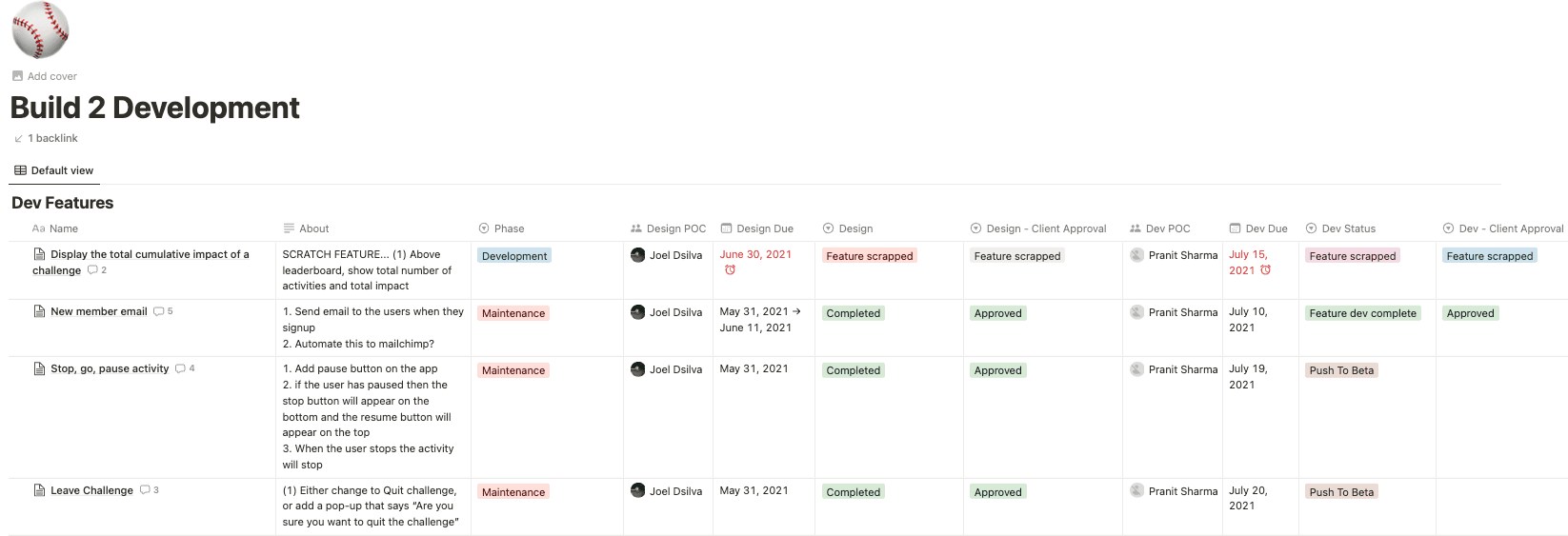
Priorities need a clear state model. That means more than a generic to-do list: people should be able to tell whether a piece of work is ready, in progress, waiting for input, under review, or being revisited. When those states are consistent, the team spends less time translating status and more time addressing the reason work is blocked.
Measure capacity before making promises
Workload and completion signals are not performance theatre. Used well, they make commitments more honest. A team can see whether a plan is becoming overloaded, whether review is delaying progress, and where a hand-off needs attention. The point is to create a conversation early enough to change scope, sequencing, or support.
Make reviews part of the timeline
A plan becomes trustworthy when it includes the decisions that determine readiness. Research synthesis, concept reviews, design reviews, stakeholder checkpoints, and technical validation are not interruptions to delivery; they are the moments that prevent late change. Showing them alongside milestones turns a deadline into a sequence a team can actually manage.
The goal is not a more elaborate planning artefact. It is a living view that helps a team ask better questions: what are we trying to achieve, what has to happen next, and what needs to change before we commit further?
Design to code, under contract.
A smaller contract helps AI agents use the right design system—and prove the code follows it.

Can a copy-paste agent beat retrieval?
I built a custom test harness to compare how AI agents assembled the same interface. Across 122 runs, only one approach kept the small behaviours users rely on.

Workflow design: turning templates into leverage.
How a well-organised template library makes recurring work faster, clearer, and easier to improve.

Design reviews as a delivery mechanism.
Treat reviews as a repeatable decision system that creates momentum, clarity, and a visible record of what changes next.