Writing / Design Operations
Workflow design: turning templates into leverage.
How a well-organised template library makes recurring work faster, clearer, and easier to improve.
Article
Reusable templates are not a shortcut around thinking. They are a way to standardise the routine work that surrounds thinking: gathering context, framing a decision, documenting a review, preparing a hand-off, or making a result discoverable. A good library gives teams a dependable starting point while leaving the product-specific judgement intact.
Reuse the container, not the answer
The most useful templates make a decision easier to see without deciding it in advance. A brand voice canvas can make principles explicit. A feature map can reveal the relationship between needs and behaviours. A traits board can help a team articulate the intended character of a product. Each gives a team structure without pretending the same answer fits every project.
Build a library around recurring moments
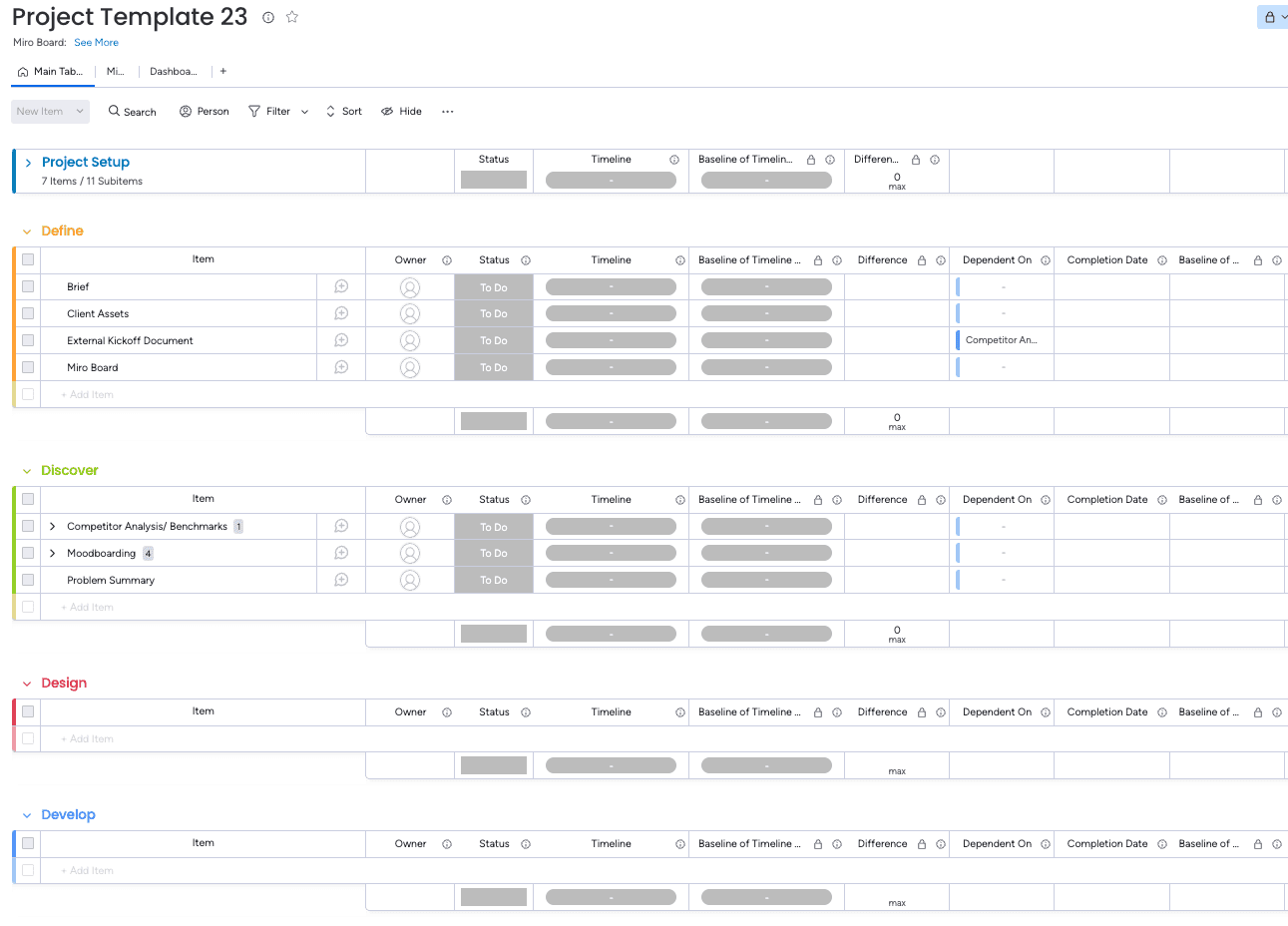
Start with the activities a team repeats: kick-offs, audits, research synthesis, planning, reviews, hand-offs, release notes, and retrospectives. Each is an opportunity to reduce repeated setup and make quality more consistent. The goal is not to create an enormous catalogue. It is to make the most useful resources easy to find, understand, adapt, and improve.
Keep the system connected to the work
A template becomes leverage when it is used in a real workflow. It should point to the decisions, evidence, files, and follow-up actions needed at that stage-not become another place to maintain. Ownership matters too: retire stale resources, promote the ones teams actually use, and improve them after each meaningful project.
The outcome is not standardisation for its own sake. It is a working environment where teams can move faster on routine coordination and reserve more energy for the difficult, product-specific decisions that deserve it.
Design to code, under contract.
A smaller contract helps AI agents use the right design system—and prove the code follows it.

Can a copy-paste agent beat retrieval?
I built a custom test harness to compare how AI agents assembled the same interface. Across 122 runs, only one approach kept the small behaviours users rely on.

Design reviews as a delivery mechanism.
Treat reviews as a repeatable decision system that creates momentum, clarity, and a visible record of what changes next.
Planning and prioritisation as a two-level design system.
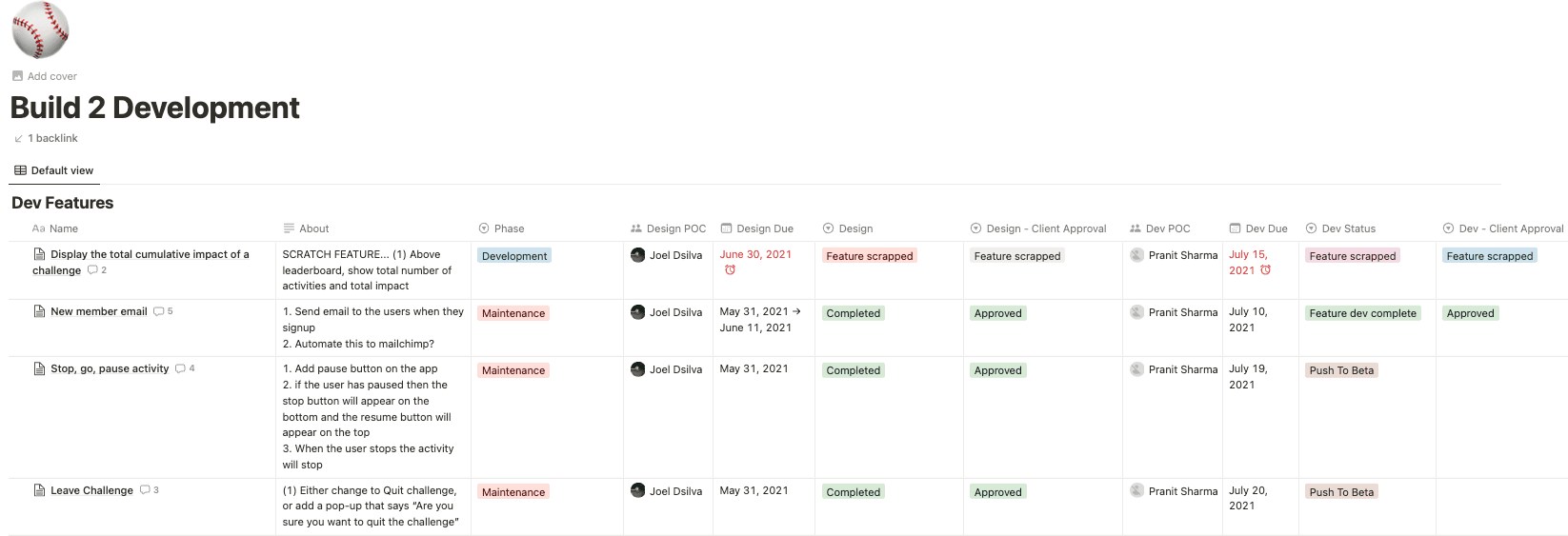
A practical system for connecting product bets with the delivery decisions that keep design work moving.